

In an era where environmental sustainability is paramount, the fashion industry is undergoing a transformative shift towards more eco-friendly practices.
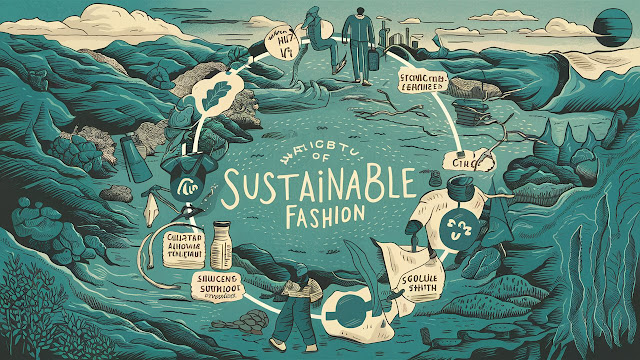
Sustainable fashion products not only prioritize environmental conservation but also consider the entire lifecycle of clothing,
from production and use to disposal. In this article, we'll explore the journey of sustainable fashion products, examining each stage of their lifecycle and highlighting the environmental impacts and innovations along the way.Production: Ethical Sourcing and Eco-Friendly Materials
1. Ethical Sourcing of Materials
Sustainable fashion begins with the ethical sourcing of materials, prioritizing transparency, fair labor practices, and responsible supply chains. Brands committed to sustainability often partner with suppliers who adhere to social and environmental standards, ensuring that workers are treated fairly and environmental impacts are minimized.
2. Eco-Friendly Materials
Sustainable fashion products are crafted from eco-friendly materials that minimize environmental harm throughout their lifecycle. These materials may include organic cotton, hemp, linen, bamboo, recycled polyester, and regenerated fibers derived from post-consumer waste. By choosing renewable, biodegradable, or recycled materials, sustainable fashion brands reduce reliance on virgin resources and mitigate the environmental footprint of clothing production.
Use: Longevity and Versatility
1. Durability and Quality Construction
Sustainable fashion products are designed to last, prioritizing durability, quality construction, and timeless style over fast fashion trends. By investing in well-made garments, consumers can extend the lifespan of their clothing and reduce the need for frequent replacements, thereby minimizing waste and conserving resources.
2. Versatility and Wearability
Versatility is key to sustainable fashion, with garments designed to be worn in multiple ways and styled for various occasions. Versatile pieces that can be mixed and matched, layered, or dressed up or down encourage consumers to maximize the wearability of their clothing and reduce the need for excess consumption.
Disposal: Circular Economy and End-of-Life Solutions
1. Circular Economy Practices
Sustainable fashion brands embrace circular economy principles, aiming to close the loop on clothing production and consumption. Through initiatives such as take-back programs, garment recycling, and upcycling, brands encourage consumers to return worn-out clothing for reuse, repair, or repurposing, thereby minimizing waste and maximizing resource efficiency.
2. End-of-Life Solutions
At the end of their lifespan, sustainable fashion products are disposed of responsibly through recycling, composting, or donation. Recycling technologies such as mechanical and chemical recycling enable the conversion of textile waste into new fibers or materials, closing the loop on textile production and reducing reliance on virgin resources. Additionally, donations to charitable organizations or textile recycling facilities provide opportunities for clothing to be reused or repurposed, extending their lifecycle and reducing landfill waste.
Conclusion

The lifecycle of sustainable fashion products embodies a commitment to environmental stewardship, social responsibility, and innovation at every stage of production, use, and disposal. By prioritizing ethical sourcing, eco-friendly materials, longevity, versatility, circular economy practices, and end-of-life solutions, sustainable fashion brands and consumers alike can contribute to a more sustainable and equitable fashion industry. Let's embrace the journey of sustainable fashion and work towards a future where clothing is not only stylish and functional but also mindful of its impact on people and the planet.





