

As the world continues to grapple with the effects of climate change, the importance of transitioning to green energy sources has never been more apparent.

In this article, we'll explore the fundamentals of green energy at home, including various options available to homeowners, and the myriad benefits of making the switch.
Understanding Green Energy
Green energy, also known as renewable energy, is derived from natural resources that are replenished on a human timescale, such as sunlight, wind, rain, tides, waves, and geothermal heat. Unlike fossil fuels, which are finite and contribute to greenhouse gas emissions, green energy sources offer a sustainable and environmentally friendly alternative. By harnessing these renewable resources, homeowners can reduce their carbon footprint and help mitigate the impacts of climate change.
Options for Homeowners
1. Solar Power
Solar panels, typically installed on rooftops or in open spaces, capture sunlight and convert it into electricity through photovoltaic cells. This clean and abundant source of energy can power homes, businesses, and even entire communities. With advancements in technology and decreasing costs, solar power has become increasingly accessible to homeowners, offering significant long-term savings on energy bills.
2. Wind Power
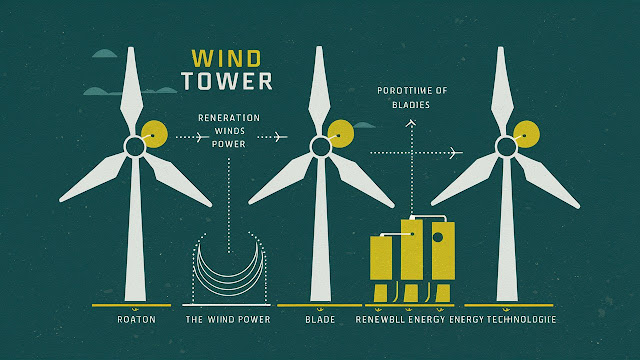
Wind turbines, erected in suitable locations with consistent wind patterns, harness the kinetic energy of the wind and convert it into electricity. While large-scale wind farms are common in rural areas, homeowners can also install smaller wind turbines on their properties to generate renewable energy. Although wind power requires careful consideration of local regulations and environmental factors, it can be a cost-effective option for those living in windy regions.
3. Geothermal Energy
Geothermal heat pumps utilize the natural heat stored beneath the Earth's surface to provide heating, cooling, and hot water for residential buildings. By tapping into this renewable energy source, homeowners can enjoy efficient and environmentally friendly climate control throughout the year. While geothermal systems require upfront investment and professional installation, they offer long-term savings and reduced reliance on fossil fuels.
Benefits of Switching to Green Energy
1. Environmental Impact
Switching to green energy significantly reduces carbon emissions and helps combat climate change by decreasing reliance on fossil fuels. By investing in renewable energy sources, homeowners can play a crucial role in preserving the planet for future generations.
2. Cost Savings
While the initial investment in green energy systems may seem daunting, homeowners can reap substantial long-term savings on energy bills. Solar panels, wind turbines, and geothermal systems generate electricity and heat at a fraction of the cost of traditional utility providers, leading to significant savings over time.
3. Energy Independence
By generating their own electricity or heat through green energy systems, homeowners can achieve greater energy independence and resilience. In the event of power outages or fluctuations in energy prices, renewable energy sources provide a reliable and sustainable alternative, ensuring continued comfort and security.
Conclusion
Transitioning to green energy at home is a proactive and impactful step towards aasustainable future. By harnessing the power of renewable resources such as solar, wind, and geothermal energy, homeowners can reduce their environmental footprint, save money, and enhance energy independence. Whether you're considering installing solar panels on your roof or exploring geothermal heat pumps for heating and cooling, now is the time to embrace the green energy revolution and make a positive difference for generations to come.





